Continuous Theta Burst Stimulation (cTBS) in Stroke Rehabilitation
Stroke can lead to motor function loss, significantly limiting independence in daily life activities. Transcranial Magnetic Stimulation (TMS) is a neuromodulation technique designed to reduce these impairments by influencing the brain’s motor areas. Continuous Theta Burst Stimulation (cTBS), an innovative mode of TMS, aims to deliver effective results through shorter treatment sessions. A study published in the journal Stroke in 2023, conducted by Jord J.T. Vink and colleagues titled “Continuous Theta-Burst Stimulation of the Contralesional Primary Motor Cortex for Promotion of Upper Limb Recovery After Stroke: A Randomized Controlled Trial”, evaluated the effects of cTBS on post-stroke recovery in detail.
Study Design
The study was conducted between 2017 and 2021 and involved 60 patients who had experienced a stroke. Participants were divided into two groups: those receiving active cTBS therapy and those receiving placebo treatment. The therapy was initiated within the first three weeks after stroke onset and was applied as short daily sessions over a period of ten days.
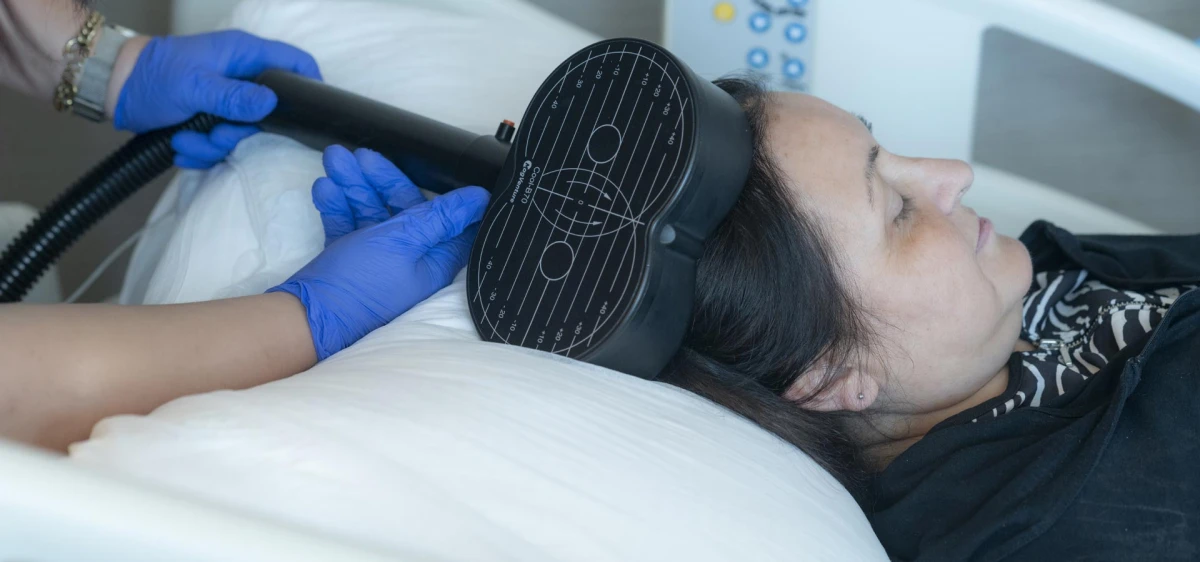
During treatment, cTBS was targeted to the contralesional motor cortex and was followed by standardized upper limb rehabilitation. The primary aim of cTBS was to restore the balance of motor stimulation between the two hemispheres of the brain and support motor recovery of the affected limb.
Research Findings
The results showed that cTBS produced significant improvements in motor function within the first three months, and these effects were largely maintained throughout the first year. According to measures such as the Action Research Arm Test (ARAT) and the Fugl-Meyer Assessment (FMA), patients in the active cTBS group demonstrated notable improvements in fine motor skills and hand function.
In addition, these patients were discharged from the rehabilitation center an average of 18 days earlier and showed a measurable improvement in quality of life. The safety profile of the treatment was also positive. The most commonly reported mild side effect was headache, and no serious complications were observed. These findings confirm that cTBS is a safe and well-tolerated method.
Conclusion
Overall, cTBS appears to be an effective treatment approach in stroke rehabilitation, offering both accelerated short-term recovery and long-term benefits. Further large-scale studies may support the broader clinical use of this method. In stroke recovery processes, cTBS may represent an important tool for improving independence and quality of life for individuals.
Reference
1. Jord J.T. Vink et al.
https://doi.org/10.1161/STROKEAHA.123.042924